
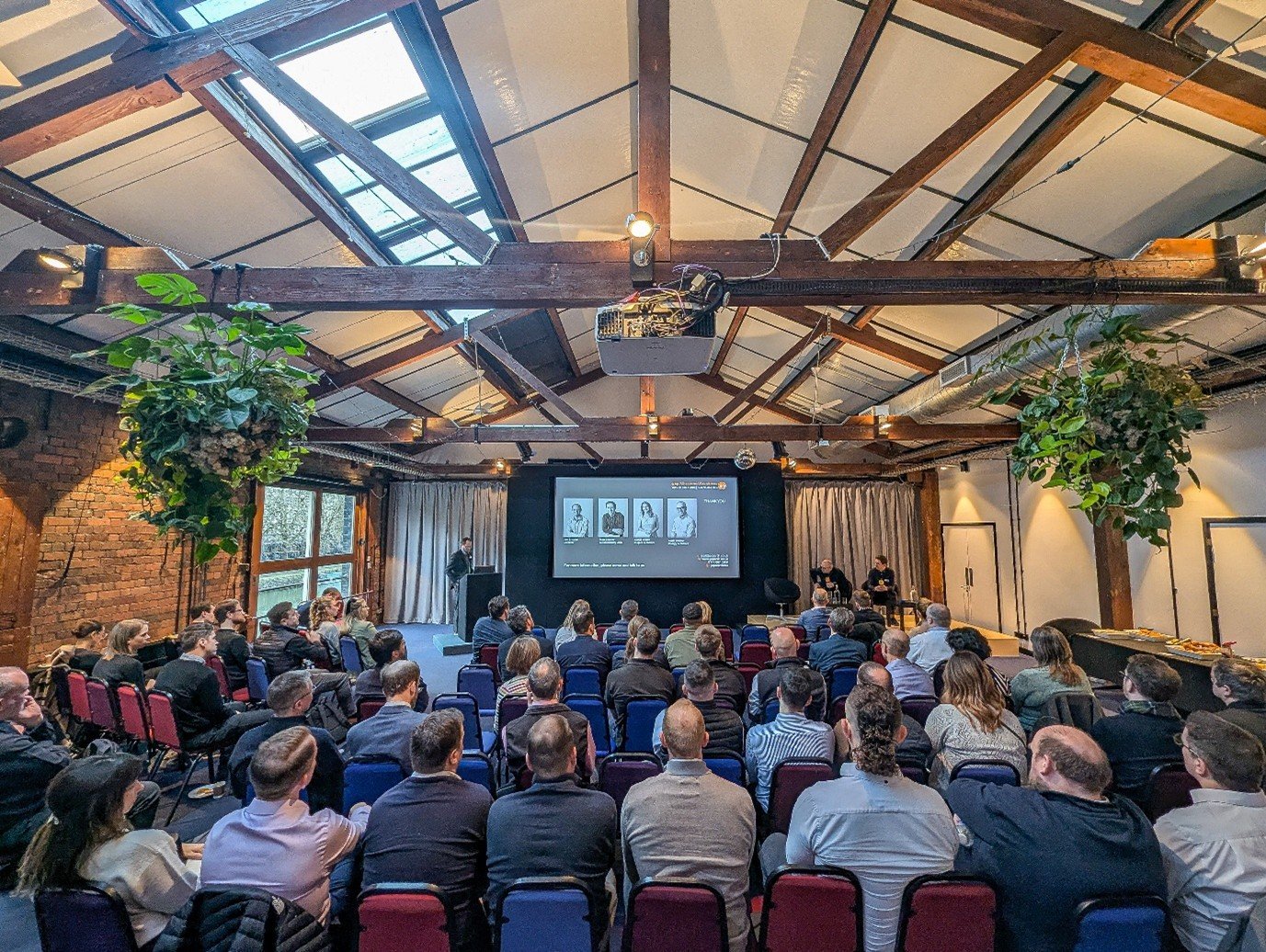
One year on from our Planning for the Future event and lots has changed for sustainability policy in the Southwest
Future Homes Standard (FHS)
At a national level, the Future Homes/Buildings Standard was launched on 24th March 2026 after close to seven years of consultation. This is the biggest step forward in built environment sustainability since the Zero Carbon Homes policy was scrapped in 2015.
As expected, the FHS looks to create ‘Net Zero Ready’ housing which will achieve Net Zero as the UK grid decarbonises towards 2050. The primary change to achieve this is embracing all-electric heating systems with increased efficiencies through heat pumps. There is also a significant shift to on-site energy generation whereby all new dwellings will be required to generate a portion of their own electricity, equating to south facing solar panels covering 40% of the building footprint.
Key design/specification items to be aware of include:
Design roofs to accommodate sufficient solar PV generation.
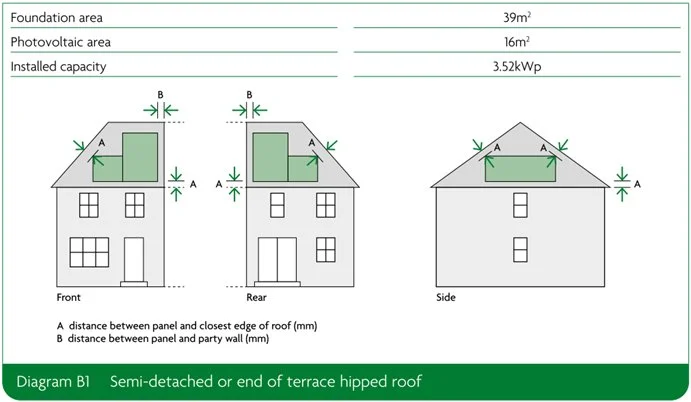
Site layout and building orientation will be key to managing roof forms.
Whilst gas boilers are not yet banned, it will be incredibly difficult to get gas boilers to pass on SAP 10.3 or HEM. Heat pumps or district heating should be specified.
Backstop u-values are unchanged, but the notional dwelling is improved which will have an impact on insulation requirements.
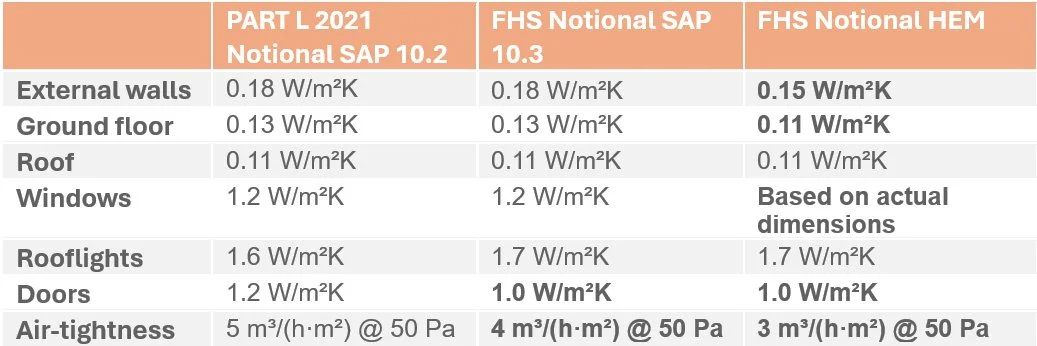
WWHR is being included within the notional dwelling. WWHR should be considered, and if not installed, other DHW efficiency measures may be required to achieve compliance.
Site grid connection requirements may increase with the requirement of additional solar PV generation and no mandated site storage.
gcp applauds the adoption of improved sustainability targets, however we feel relying too heavily on technology will leave houses vulnerable to energy price rises and climate change in the future. We would always recommend a fabric first approach for new build dwellings with a focus on reducing energy demand first before addressing how the energy is delivered.
This fabric first approach was recently achieved by gcp at the award-winning Wheatfield Barns development which achieved Passivhaus certification with only 16 solar panels across 15 properties. This specification left a typical annual energy import requirement of 1440kWh compared with 2620kWh for the FHS compliant equivalent.
Bristol Local Plan
At a local level, the Bristol Local Plan is still undergoing review, with final advice being issued late last year, and the council preparing their final schedule of modifications for approval.
In the last year we have seen some key policy changes:
Passivhaus removed as an alternative route to compliance.
Energy Use Intensity targets removed for operational energy with the recommendation to keep using SAP exports to analyse energy demand. Major developments will require TM54 energy modelling to address the performance gap.
Total energy operational targets replaced with regulated energy net zero target linked to SAP data.
A fossil fuel ban has been removed to allow consideration on a case-by-case basis.
Embodied carbon policy retained for major developments (10 or more dwellings)
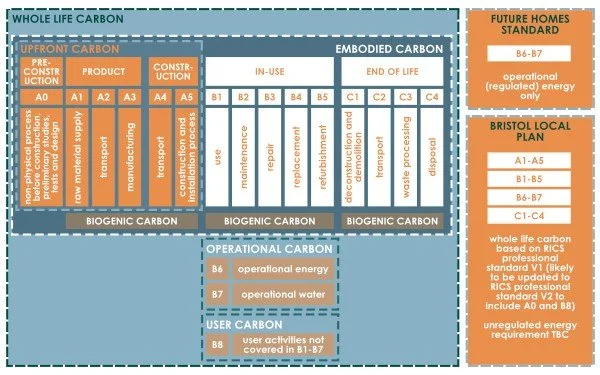
Bristol City Council are picking up some of the slack left by the FHS, but through examination the Local Plan has been watered down. Building methodologies such as Passivhaus will be looked upon favourably, and embodied carbon targets will make a significant immediate impact on carbon emissions in the region.
In other regions, South Gloucestershire submitted their Local Plan for examination in November 2025 with expected adoption in December 2026. North Somerset submitted their Local Plan for examination in April 2026. Currently, both have draft policies for EUI total energy targets and embodied carbon targets. BaNES will undertake a Local Plan consultation through the summer.
gcp will be issuing updates on policy changes as they are announced.